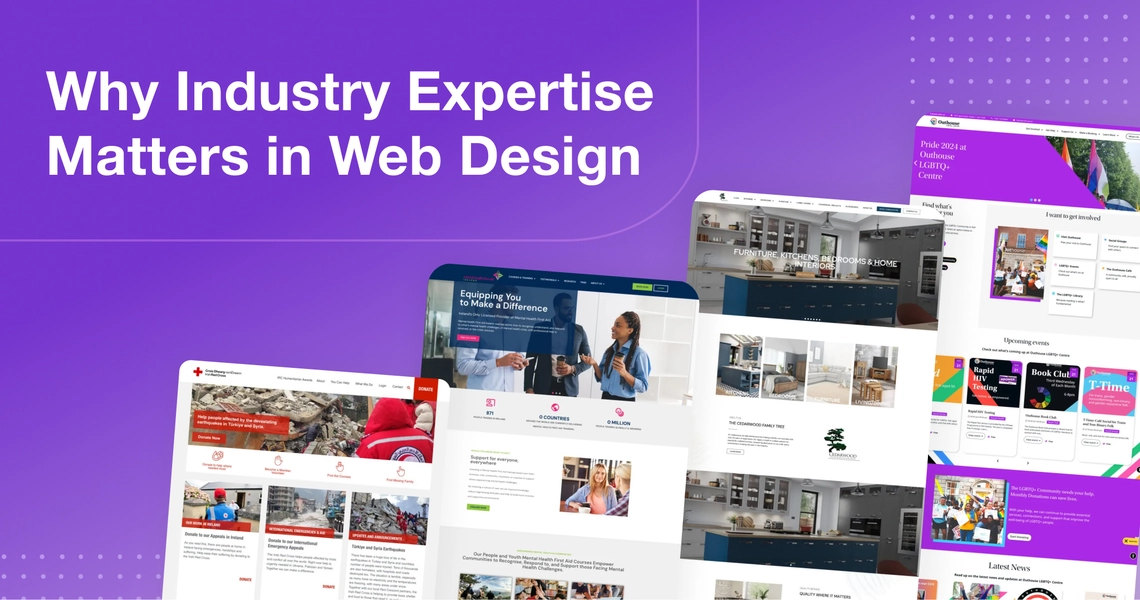
One of the most common issues we see with growing businesses isn’t a lack of capability, it’s a website that doesn’t reflect the industry they operate in.
Many companies that come to 2Cubed are already delivering at a high level. They’re serving complex clients, managing multiple products or services, and handling operations at scale. But their websites often fail to signal the right thing to the right audience.
Instead of showing credibility, understanding, and expertise, their online presence can feel generic, confusing, or misaligned with industry expectations. And that disconnect quietly limits growth, attracts the wrong enquiries, and undervalues the business.
Your Website Is More Than a Visual Asset — It Signals Your Industry Expertise
Your website doesn’t just show what you do, it communicates who you are, who you serve, and how you work.
Potential clients are silently asking:
- Does this business understand my industry?
- Can they handle the scale and complexity of my needs?
- Will working with them feel aligned with my expectations?
If your website doesn’t answer these questions clearly, high-value prospects self-select out. Meanwhile, the enquiries that do come through may not fit the profile of your ideal client.
The Hidden Cost of a Generic Website
A website that doesn’t reflect its industry rarely “fails” outright. It fails quietly:
- Low-quality or misaligned enquiries
- Longer sales cycles to clarify capabilities
- Pressure on pricing and margins
- Missed opportunities with high-value clients
Over time, this quietly erodes efficiency, perception, and growth potential.
How Industry Awareness Shapes Web Design
Different industries have different priorities, and your website needs to reflect them:
- Professional Services: Law firms, consultants, and accountants need trust, authority, and credibility. Messaging, tone, and structure should reassure clients at first glance.
- eCommerce: Stores need clarity, speed, and confidence in checkout, product pages, and order fulfilment. Design must support transactions seamlessly.
- Hospitality & Tourism: Hotels, restaurants, and experiences sell emotion. Websites need to convey quality, atmosphere, and ease of booking.
- Non-Profits & Membership Organisations: Credibility, accessibility, and purpose matter most. Every element should signal impact and transparency.
- Tech & SaaS: Startups and software companies need to communicate innovation, reliability, and scalability, often for both clients and investors.
Design isn’t one-size-fits-all. What works for one industry may actively repel clients in another.
Why This Problem Happens
This issue is common in businesses that have grown over time:
- The website was originally designed generically to “get something live”
- Messaging and structure were copied from other industries or templates
- Strategic review hasn’t kept pace with how the business or industry has evolved
Internally, the business may have changed dramatically but externally, the website hasn’t caught up.
What a Strategically Positioned Website Does
A well-designed, industry-aware website reassures visitors. It makes them feel:
- “They understand businesses like mine.”
- “They operate at the scale I need.”
- “This brand feels aligned with the type of work we do.”
Fit replaces persuasion. Clarity replaces confusion. The right people self-select in, while misaligned enquiries quietly filter out.
The Shift That Improves Enquiry Quality
When websites are positioned by industry and audience, businesses consistently see:
- Fewer low-fit enquiries
- Shorter, more confident sales conversations
- Less pressure on pricing
- Stronger alignment from first contact
Not because the business changed but because the website finally communicated what the business was already capable of.
Final Thought
A generic website doesn’t reflect your industry or your expertise. It doesn’t attract the right clients and over time, that silently limits growth. A website that understands your industry isn’t just better-looking. It’s better at getting the right enquiries, building trust, and helping your business scale.
FAQs
How can I tell if my website isn’t industry-aware?
If enquiries are often misaligned, clients ask unnecessary clarifying questions, or your business feels undervalued online, your website may not be speaking your industry’s language.
Does this really affect client decisions?
Yes. Visitors self-select based on perception. The more your website aligns with industry norms and expectations, the more confident prospects feel engaging with you.
Is it a design issue, messaging issue, or both?
Usually both. Structure, visuals, content, and tone all work together to signal expertise and industry fit.
Do we need to exaggerate to attract the right clients?
No. The goal is accuracy, clarity, and confidence not puffed-up claims.
When should a business reassess their industry positioning online?
If your business has grown, shifted focus, or your website hasn’t been reviewed in several years, it’s time to evaluate whether your site accurately signals your industry expertise.